
Why Multi-Generational Learning Accelerates Academic Achievement
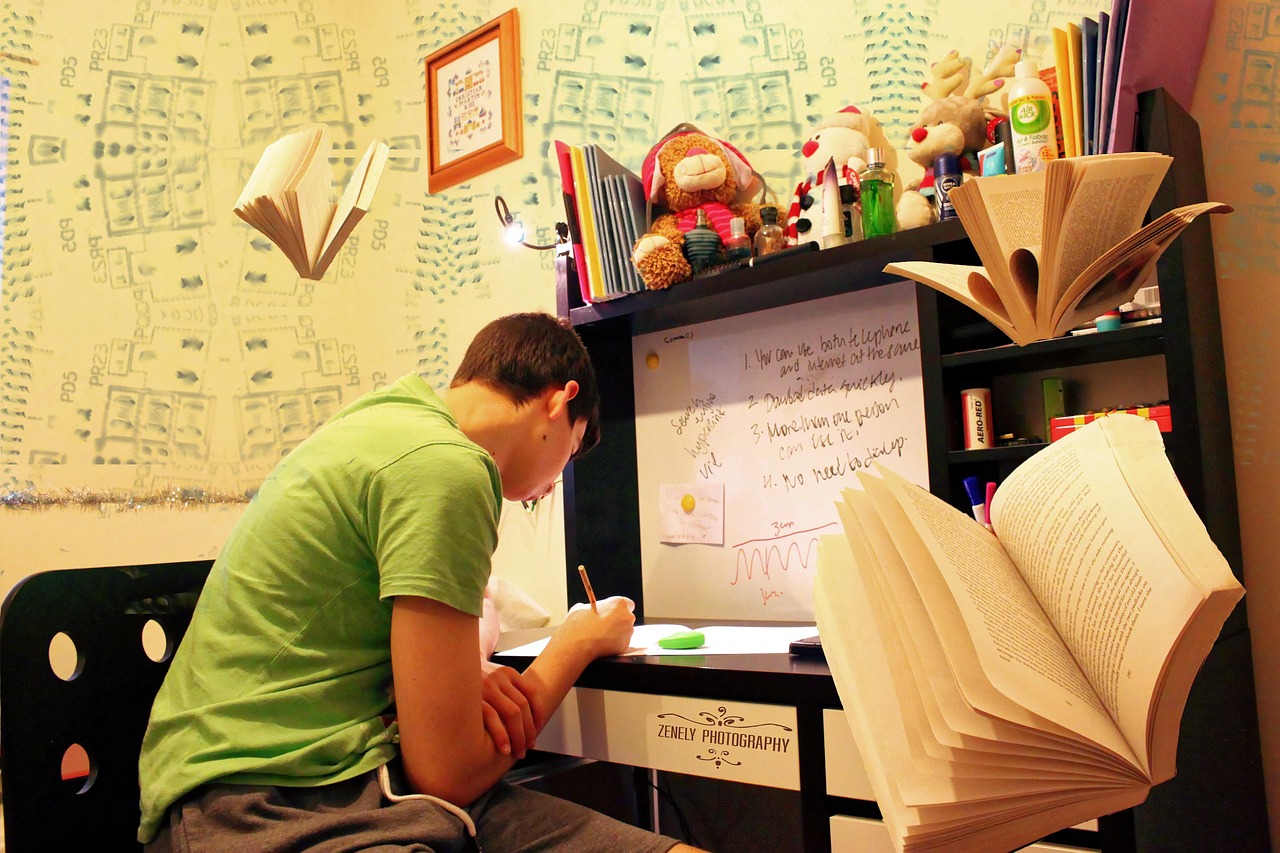
We often hear the phrase, “It takes a village to raise a child.” But what if that village also made the child smarter? That’s the quiet power behind multi-generational learning. It’s not just about passing down traditions—it’s a catalyst for sharper minds and stronger performance in school. At the heart of it is the beautiful bond between grandparents and grandkids, a connection that adds emotional depth to everyday learning. This learning style brings together children, parents, and grandparents in a shared educational journey. And when that happens, something incredible unfolds—academic growth kicks into high gear.
Wisdom Meets Wonder: The Power of Diverse Perspectives
Grandparents bring life experiences that textbooks can’t touch. They’ve lived through historical events and solved problems without Google. When children learn from them, they absorb lessons wrapped in stories, not just facts. This sparks curiosity and encourages deeper thinking. A third-grader listening to their grandfather talk about growing up without the internet may start to appreciate research skills more. It’s not just teaching—it’s inspiring.
Learning Becomes a Family Affair
When multiple generations join the educational process, the home transforms into a collaborative space. Children feel supported not just by one adult, but by a team. This naturally boosts confidence and motivation. Instead of struggling through math alone, a child might get help from a parent while grandma prepares a snack and shares how she used arithmetic at the market decades ago. These subtle moments build consistency and trust. And in a world of distractions, that’s a powerful anchor.
Emotional Safety Accelerates Risk-Taking
Let’s be honest—learning is messy. Kids make mistakes, get frustrated, and want to give up. But when there’s a comforting presence nearby, they’re more likely to try again. Multi-generational homes provide that steady hand on the shoulder, both literally and figuratively. A child is less afraid to fail when surrounded by unconditional support. That emotional cushion gives them the courage to stretch further and explore new concepts with less fear.
Life Skills Slip In Naturally
 Schools can teach algebra, but they don’t always teach patience, adaptability, or resilience. That’s where grandparents shine. Their slower pace and broader perspective bring balance to the high-speed demands of modern education. A child watching their grandmother knead dough learn more than baking—they observe discipline and care. These subtle teachings stick. Over time, they sharpen both social and cognitive skills in ways that standardized tests never will. Multi-generational learning isn’t some trend—it’s a return to what has always worked.
When elders, parents, and children learn together, academic achievement doesn’t just improve—it thrives. The household becomes a live classroom where curiosity, patience, and shared wisdom elevate everyone. It’s not about replacing teachers or schools. It’s about extending learning beyond the bell. And in that environment, children don’t just do better—they shine.…